In early March, the peaceful hilltop community of Taizé (France) became a crossroads of ideas, experiences and spiritual exploration as participants from across Europe gathered thanks to ELSiA. Spanning three days, the event was more than just a meeting; it was a shared exploration of what integral ecology means today, not only as a framework of thought, but also as a way of being, relating and acting in an ever-changing world.
From the outset of the retreat, one theme became clear: people had arrived seeking more than information. They were looking for connection and grounding, and a deeper sense of purpose within the vast landscape of ecological commitment. The first session, in which participants shared their personal journeys of ecological conversion, set an intimate tone. These stories revealed the personal depth behind professional roles, sharing moments of awakening, challenges faced in hostile contexts and the quiet, persistent desire to build healthier relationships with the natural world.
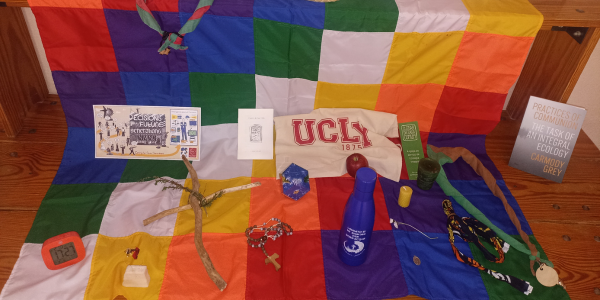
Throughout the retreat, the concept of integral ecology, central to Laudato Si’, was treated not as a slogan or theoretical model, but as a living principle that shaped the conversations. Participants reflected on ecology in terms of its full interconnectedness, considering not only the environmental aspect, but also the social, spiritual, economic, relational and geopolitical aspects. The reflections encouraged everyone to consider how ecological commitment can be transformative only when it touches all aspects of life, including personal habits, community dynamics, political structures, how we express our faith, and how we care for the most vulnerable.
This holistic approach also appeared in the several smaller group discussions. People from different regions found themselves resonating with each other’s experiences, the tensions of working in secularised contexts, the challenges of ecological education in faith communities, the struggle against discouragement, and the hope that comes from seeing faith‑based initiatives multiply across Europe.
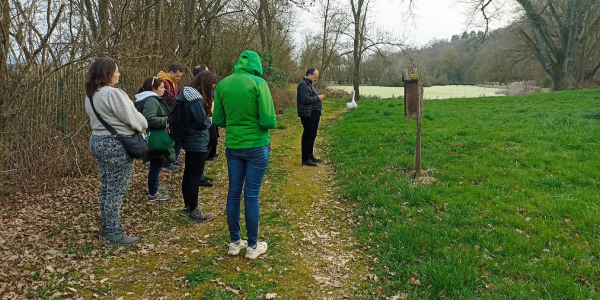
The Taizé setting itself supported this transformation. The community’s rhythm, centred on silence, prayer, simplicity and hospitality, provided a spiritual foundation that many participants explicitly valued. For some, this created a space in which the deeper, more contemplative aspects of integral ecology could flourish. They spoke of rediscovering the link between caring for creation and caring for the soul, and between ecological commitment and the inner work needed to sustain it.
Workshops led by the brothers offered practical experiences of integral ecology, such as discovering Taizé’s approach to environmental stewardship or walking in silence through the natural surroundings. In these moments, theory blended with experience and integral ecology became something that could be touched, observed and felt.
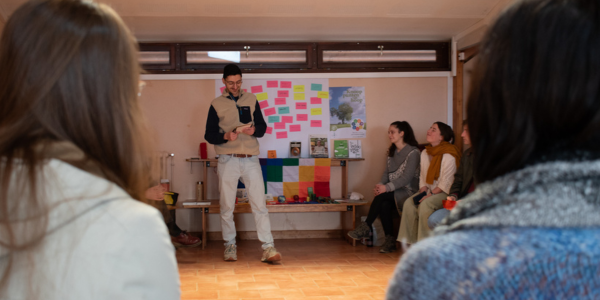
Perhaps the strongest theme to emerge from the retreat was the formation of community. People who had never met before found themselves sharing insights, laughter and concerns with surprising ease. Many spoke of a renewed sense of solidarity and the realisation that the challenges they face in their own contexts are shared across borders and that their desire to respond with creativity and compassion is universal.
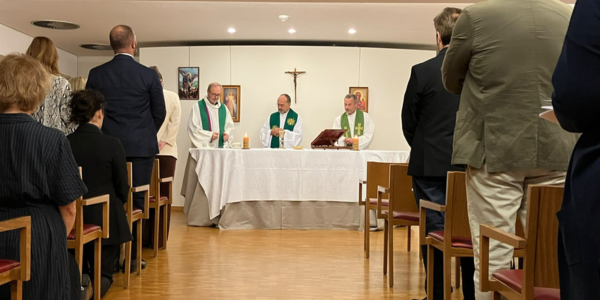
As the retreat drew to a close, the group gathered one last time to share their intentions for the months ahead. These were not grand declarations, but rather simple and sincere commitments to nurture ecological spirituality, foster collaboration, deepen understanding of integral ecology and remain attentive to the cries of the Earth and the poor. The closing Eucharist provided a contemplative seal for these intentions, anchoring them in a shared moment of prayer and gratitude.
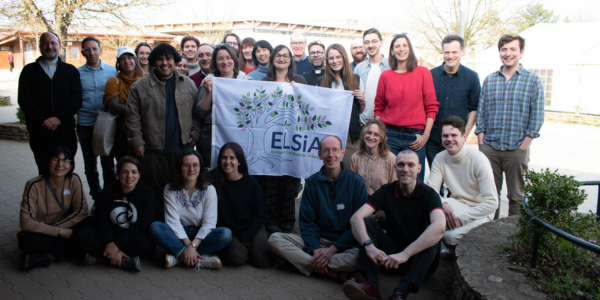
As participants began their journeys home, there was a sense that something meaningful had been set in motion, or perhaps renewed. The retreat had provided an opportunity to rest, find inspiration, ask honest questions and rediscover the joy that sustains long-term ecological engagement. The spirit that filled the hill of Taizé over those three days was one of connection and hope — a subtle yet powerful reminder that integral ecology is fundamentally about relationships: with creation, with one another and with the deeper mystery that brings everything into harmony.
Photos credits: CIDSE and Laudato Si’ Movement [2026]